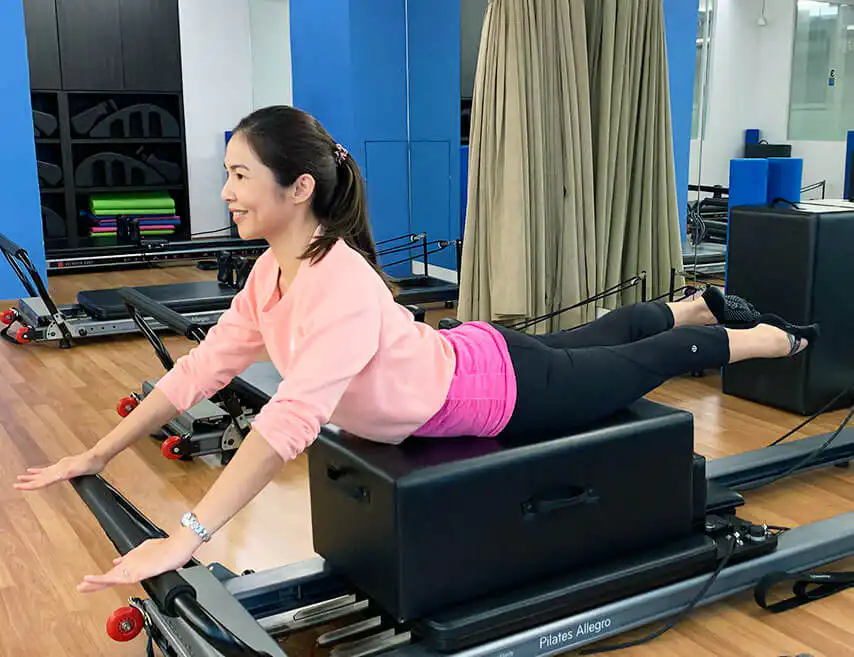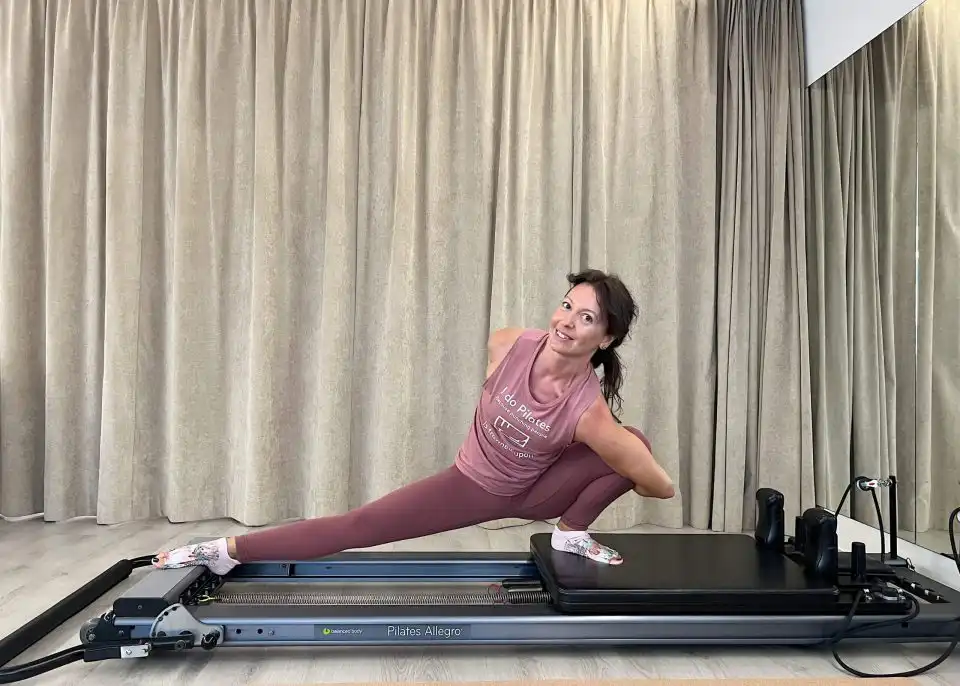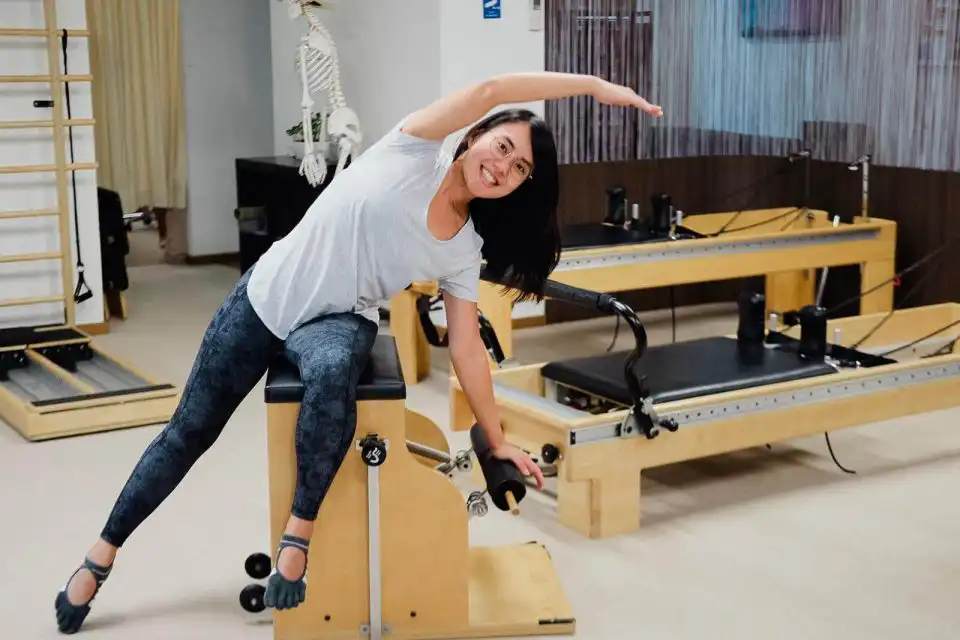
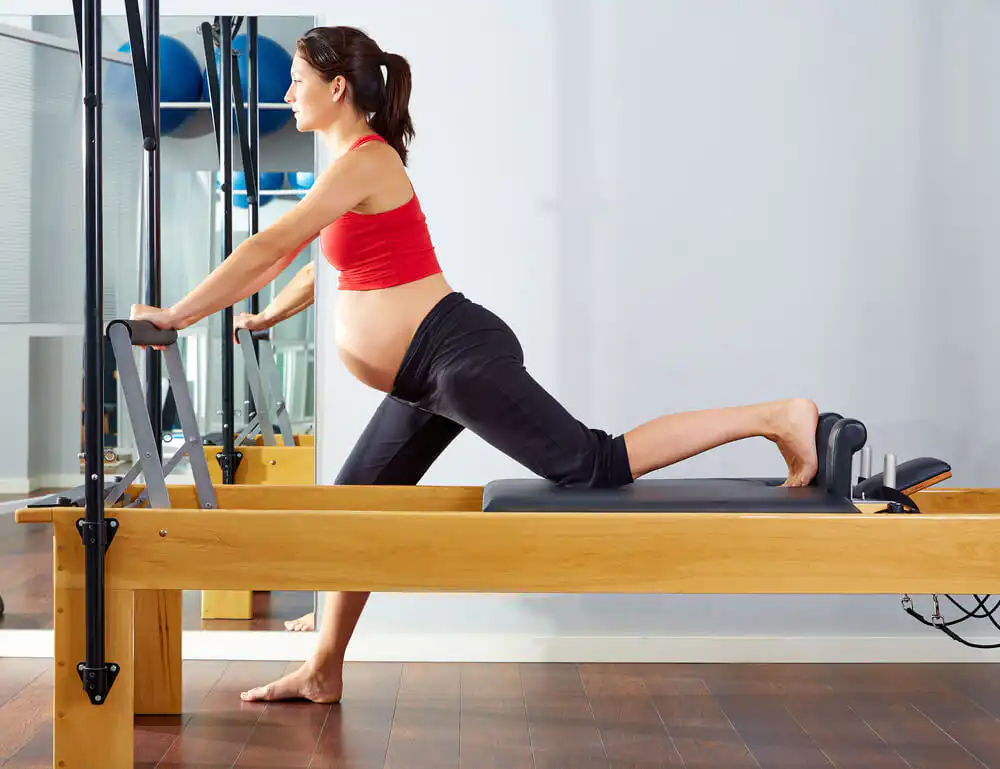
It is recommended to maintain a consistent exercise routine as it is helpful for a fuss-free pregnancy and Pilates is an excellent low-impact form of exercise to do whilst pregnant.
Below are a few of the many benefits of staying active during pregnancy:
- increased energy levels; more endorphin production, which promotes happier moods and better sleep; increased muscular tone and cardiovascular health to improve circulation; reduce leg cramps, nausea and heartburn.
Read on as our senior Instructor & Physiotherapist shares more on why Pilates is great for all Moms-to-be and some important tips to get you well prepared for your pregnancy journey!
1. Can I exercise when I am pregnant?
If you have been active prior to getting pregnant, there should not be any major concerns to starting Pilates exercises, seeing that it is a low-impact form of exercise. As a general rule of thumb, do check in with your doctor prior to starting any new activity. If you have not been actively participating in any form of exercise, Focus suggests starting prenatal Pilates after your first trimester with your doctor’s approval, or should you like to start earlier, to produce a letter of recommendation for prenatal Pilates prior to starting your sessions.
Christine Koh (Senior Physiotherapist)
2. Which trimester will be safe to start?
For first trimester, clients are advice to check with their gynecologist for clearance to start exercising. For uncomplicated second trimester pregnancies, I generally reassure them that there hasn’t been any research to indicate that physical activity during pregnancy causes miscarriage, poor fetal growth, or premature delivery. For some women with pre-existing health issues with blood flow to the uterus, such as hypertension, diabetes or coronary artery disease may take more pre-cautions when engaging in vigorous physical activities.
Michele Loh (Senior Instructor)
3. Is Pilates or Yoga better for Pregnancy? Is there a difference?
Pregnancy Yoga and Pregnancy Pilates can both work wonders during pregnancy if practiced wisely under supervision. Both methods are beneficial to the body and mind, boost energy level which in turn improve blood circulation and immune system. Both offer similar benefits, including breathing, relaxation, strength, pelvic floor training and flexibility. Pilates may have stronger emphasis on core stability training, balance, coordination and excellent resistance training to keep the body tone and connected during the whole pregnancy.
Michele Loh (Senior Instructor)
4. Why Pilates is a great workout during pregnancy?
a. Pilates exercise increase your body awareness and muscular control during movement, which helps you maintain good posture, and improve your balance with a growing tummy and changing centre of gravity.
b. Pilates exercises teach you how to engage and control the group work between the diaphragm, deep back, deep abdominal, and pelvic floor muscles (all of which adds up to being your inner core unit). Breathing with movement is core control. And core control is the ability to regulate the pressure in your abdomen. This is ever so important and helpful with so many changes happening within your abdominal space during pregnancy.
Strengthening and improving control of your core muscles will in turn help to lessen strain on your body, and help you transition smoothly from prenatal through labour, then onward to postnatal health and well-being.
Christine Koh (Senior Physiotherapist)

5. Do I need to take extra precaution when I exercise?
Yes, because you are placing inherent strain on your body when you exercise and it is important to always listen to your body, modify and adjust your workout if necessary. Your goal is to maintain ease of movement, good balance, and a healthy mind and body throughout your pregnancy and beyond.
Below are some tips for safe exercise during pregnancy:
- Temperature – Do not work out in high temperatures. Increased core temperatures, especially during the first trimester, have been linked to causing significant neural tube defects to the baby.
- Hydration – Drink an adequate amount of water prior to, during, and after exercise. Ensure that the color of your urine is a normal pale yellow. Too dark or colorless urine are indications of dehydration and overhydration respectively.
- Intensity – Working up to 90% of maximum heart rate has been shown to reduce blood flow to the umbilical cord, thereby depriving your little one of much needed circulation. It is recommended that you work out at moderate intensities where you can still talk, whilst having increased heart rate and sweating.
- Watch out for coning of your abdominals (tummy bulges upwards like a dome during certain movements). This is a sign of overstraining your abdominals. It can sometimes be corrected with proper breathing techniques and engaging the right group of other muscles. Do not continue to work out with coning of your abdominals. It is a sign of poor regulation of intra-abdominal pressure, and can predispose you for persistent diastasis rectus abdominus postpartum.
- Overstretching – Do limit your amount of movement in certain positions and movements in Yoga and Pilates that encourages end range stretching of inner thigh muscles, abdominals etc. Be cautious not to move into end range poses and movements in all planes as you may cause excessive strain on your joints and ligaments. This may lead to unwarranted pelvic and back pain.
- Inversions, bridges, supine exercises – Avoid lying supine especially in the third trimester and take care not to spend too long exercising on your back, or moving in positions with your hips higher than your chest (inversion movements), as this places increased strain on your heart and lungs, which in turn taxes on the umbilical blood flow to your baby.
Christine Koh & Michele Loh
6. When to stop exercising and see your doctor?
Do check in with your doctor whenever in doubt if you experience any discomfort with movement or exercises.
This is not an all-inclusive list, but should you experience any of the symptoms mentioned below, please stop exercising, and seek consultation with your doctor:
- increase or change in color, consistency of your discharge
- painful and regular contractions of the uterus
- Calf pain or swelling (risk of DVT)
- Persistent dizziness, headache, and/or visual disturbances
- Excessive fatigue, heart palpitations, and/or chest pain
- Decreased fetal movement
- Elevation of heart rate and blood pressure that persists long after exercise
- Shortness of breath prior to exertion
Christine Koh (Senior Physiotherapist)
If you have more queries, feel free to reach out to us at info@focusmovement.sg.
If you have attained doctor’s clearance to do Pilates, we’d love to have you in our pre/post-natal group reformer classes, happening daily. Check out the timetable and book a class here