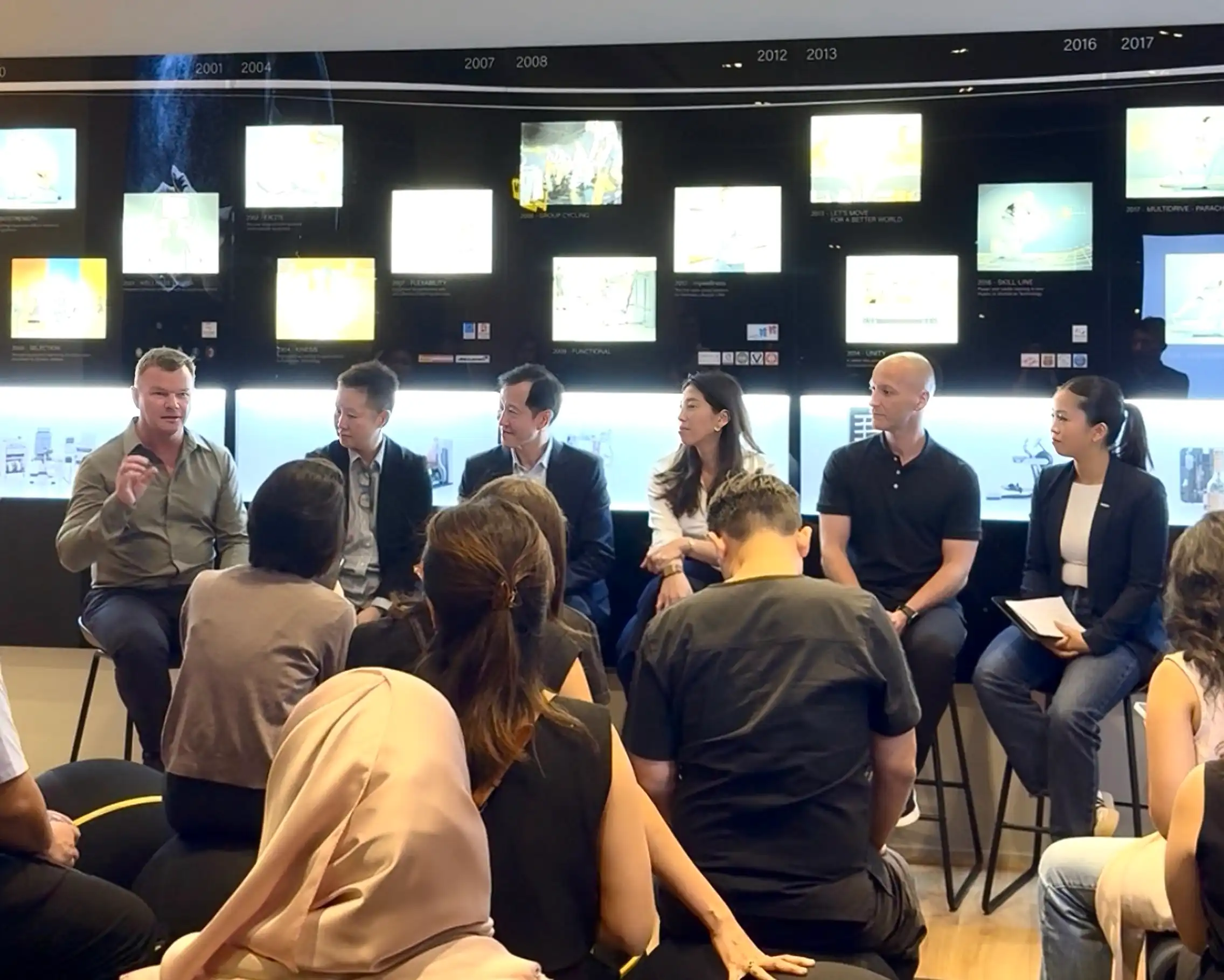
Last evening, our Head Instructor Daniel Dittmar joined healthcare, exercise science and aged care leaders at Technogym Singapore to discuss Designing the Future of Healthy Ageing. While the panel covered everything from preventative healthcare to community care, one message stood out above all else: healthy ageing isn’t something that begins at retirement. It’s something we build every day through the choices we make long before old age arrives.
Healthy Ageing Starts Long Before We Feel Old
When we think about ageing well, it’s easy to picture our retirement years. In reality, healthy ageing begins decades earlier.
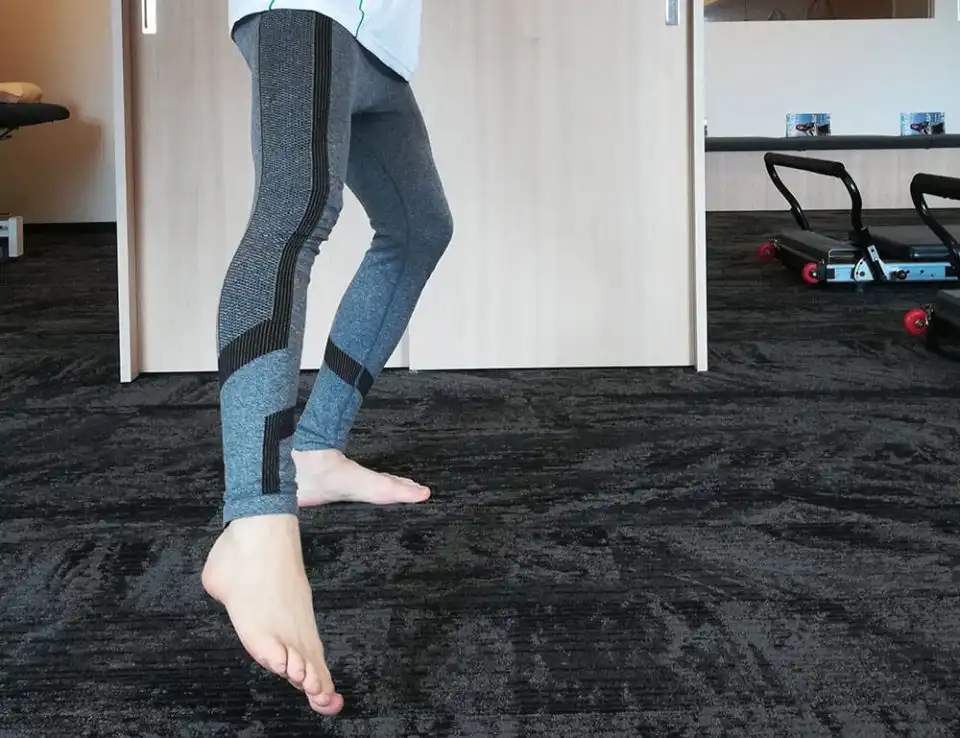
One of the ideas Dan shared during the panel was that healthcare has long relied on biomarkers to detect disease risk before symptoms appear. The same philosophy can be applied to movement. Functional markers such as ankle dorsiflexion, hip extension, thoracic mobility, balance and lower limb strength provide valuable insight into how someone is likely to move in the years ahead. Identifying changes early gives us the opportunity to intervene before they become limitations.
Equally important is recognising that our bodies are constantly adapting to the way we use them. Exercise isn’t the only thing that changes our bodies – sedentary habits do too. Even sitting for prolonged periods encourages our bodies to become better at… sitting. This is why healthy ageing isn’t built through two or three exercise sessions each week alone, but through a culture of daily movement. Walking a little further, choosing the stairs, regularly changing positions and incorporating purposeful movement into everyday life all contribute to our long-term health trajectory.
Rather than waiting until pain or functional decline appears, we should be asking a different question: What kind of future are we preparing our bodies for today?
Movement That Lasts is Movement You Enjoy
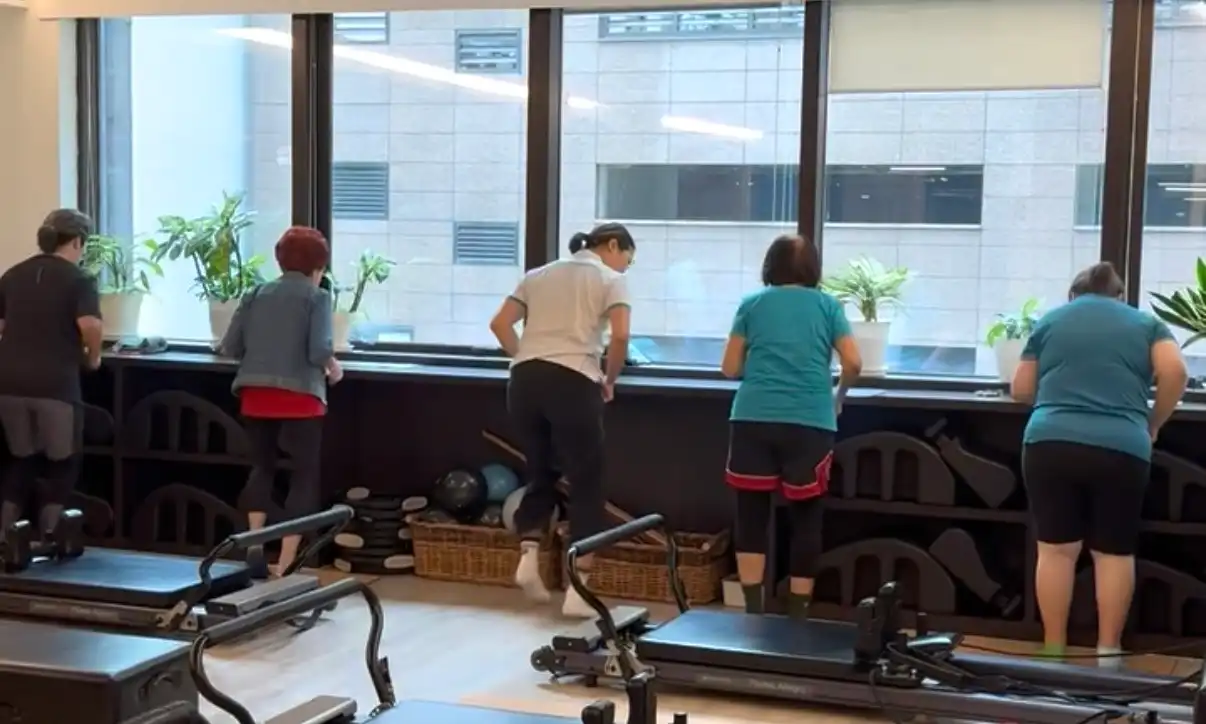
One of the strongest messages from the discussion was refreshingly simple: the best exercise is the one you’ll continue doing.
From a health perspective, an ideal programme includes strength training, cardiovascular exercise and mobility work. Yet for someone who has been inactive for years, expecting them to suddenly embrace all three can feel overwhelming. Sometimes the greatest victory is simply helping someone discover a form of movement they genuinely enjoy.
For one person, that might be Pilates. For another, it could be swimming, brisk walking or line dancing. Enjoyment creates consistency, and consistency is ultimately what drives meaningful long-term change.
This philosophy has always guided our approach at Focus. While our integrated Physio-Pilates model allows us to design highly personalised programmes, our goal isn’t to fit everyone into the same mould. It’s to meet each individual where they are, understand their goals and abilities, and help them find movement that feels achievable, meaningful and sustainable for years to come.
Independence Looks Different for Everyone
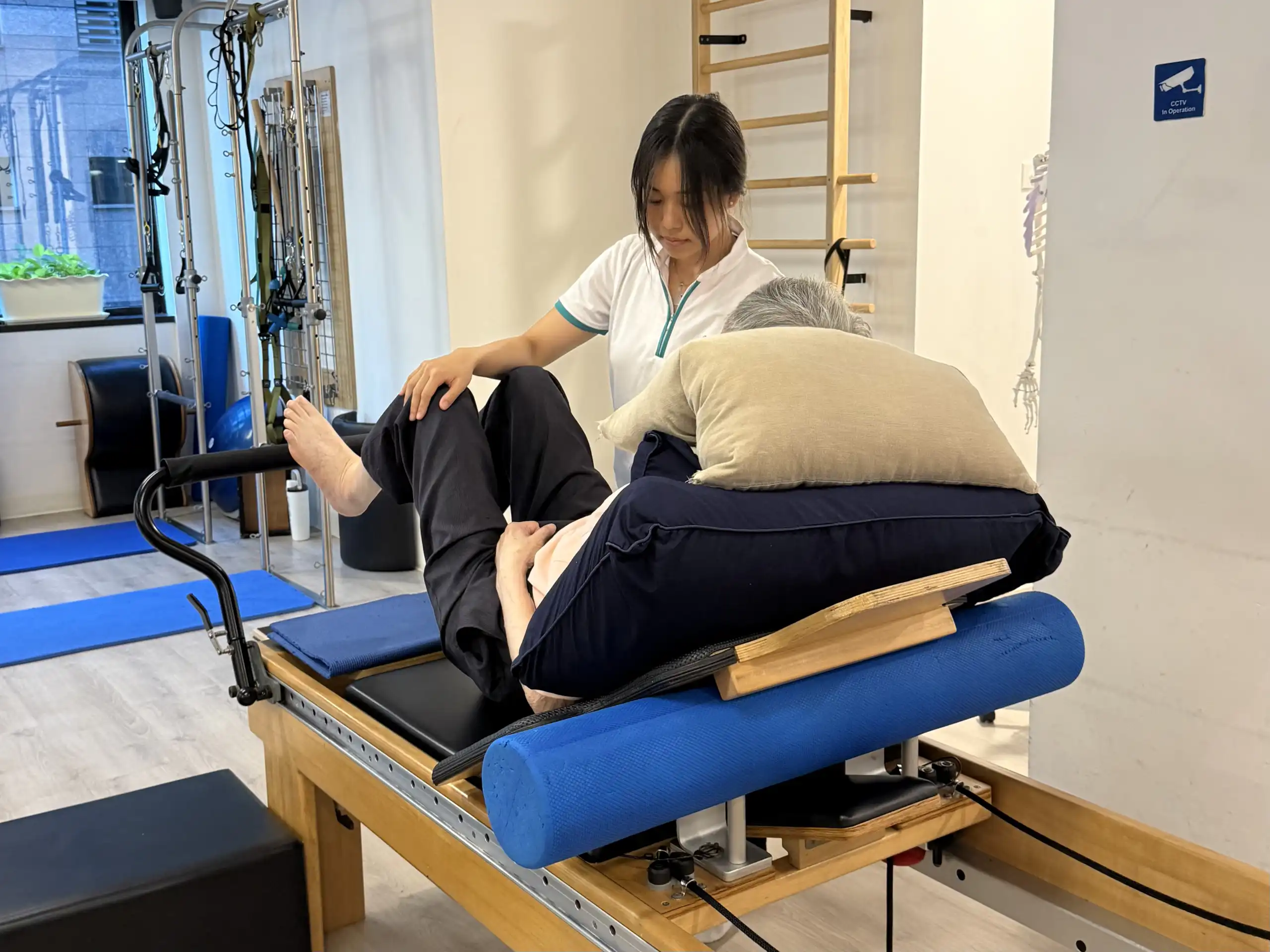
When people hear the phrase “functional independence”, they often imagine a universal checklist of physical abilities. In reality, independence looks different for every individual.
For some, it’s confidently climbing stairs without holding the handrail. For others, it’s travelling overseas, carrying groceries home, tending to the garden, or getting down onto the floor to play with grandchildren. These personal goals are often far more motivating than simply exercising for the sake of exercise.
Dan shared that this person-centred philosophy is reflected in the International Classification of Function framework developed by the World Health Organization, which looks beyond physical limitations to consider a person’s goals, environment and support systems. Training becomes far more meaningful when it is connected to what someone genuinely wants to keep doing in life.
Strength is naturally an important part of maintaining independence, but it isn’t the whole picture. Balance, coordination and the ability to react to unexpected situations are equally important. Something as ordinary as catching your foot on a rug, stepping over a pet or navigating an uneven pavement requires the nervous system to respond quickly. By combining strength training with balance and coordination exercises, we can better prepare people for the unpredictable moments that everyday life brings.
Building Communities That Support Healthy Ageing
Healthy ageing doesn’t happen in isolation. It depends not only on individuals making good choices, but also on communities making movement easier, more welcoming and more accessible.
One topic that resonated strongly during the panel was the reality that many elderly care settings offer structured exercise only once a week, sometimes even less. While these programmes are valuable, maintaining strength, balance and mobility requires more frequent practice. Creating environments where older adults can move confidently on a regular basis remains one of the greatest opportunities for improving quality of life.
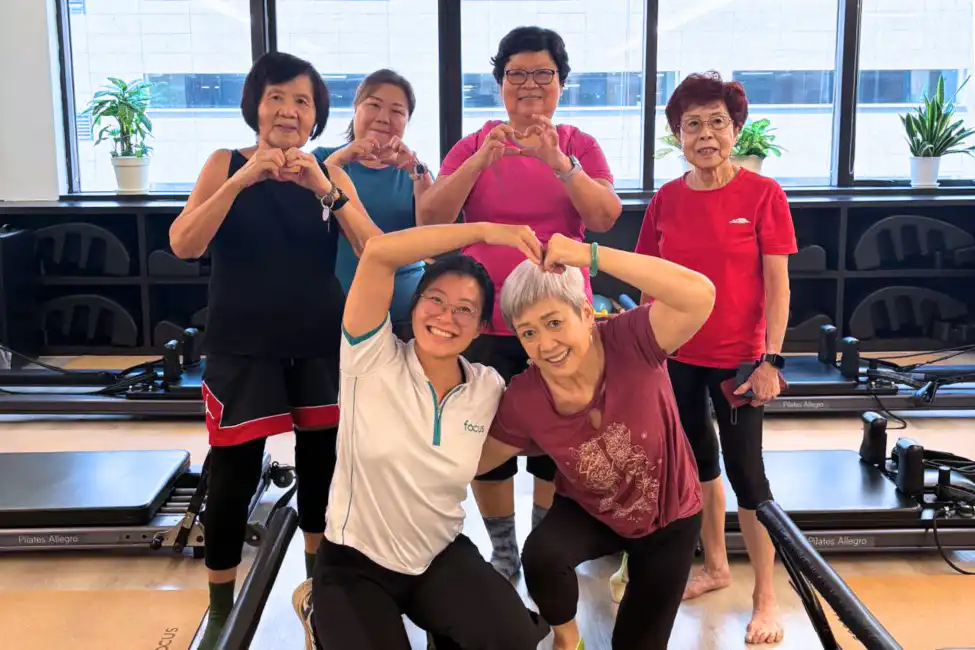
At Focus, we’ve been fortunate to see what this can look like. Many of our clients in their 70s and 80s attend the studio two or three times each week, making movement a regular part of their routine. Interestingly, many first discovered us through their children, who experienced the benefits of physiotherapy or Pilates themselves before encouraging their parents to give it a try.
Today, it’s not uncommon to see families moving together under one roof – parents attending physiotherapy or private Pilates sessions while their children join a Reformer class. Beyond making scheduling more convenient, it creates a welcoming environment where movement becomes a shared family value rather than something people have to face alone.
Looking ahead, Dan shared his hope that Singapore continues building communities that naturally encourage active living – from more thoughtfully designed public fitness corners around HDB estates to stronger partnerships between healthcare professionals, movement specialists and community organisations. If healthy ageing is to become the norm rather than the exception, movement needs to be woven into the places where people already live, gather and connect.
Turning Prevention Into Practice
One thing that often surprises people is that active ageing isn’t just something we teach our clients – it’s also something we continually learn about ourselves.
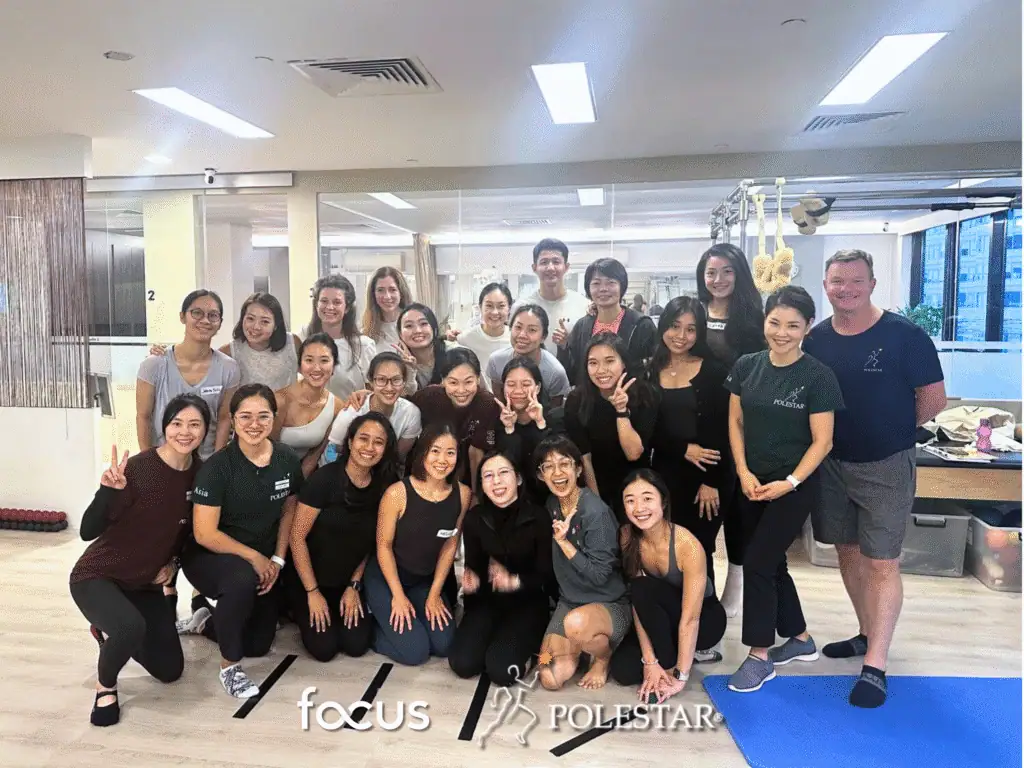
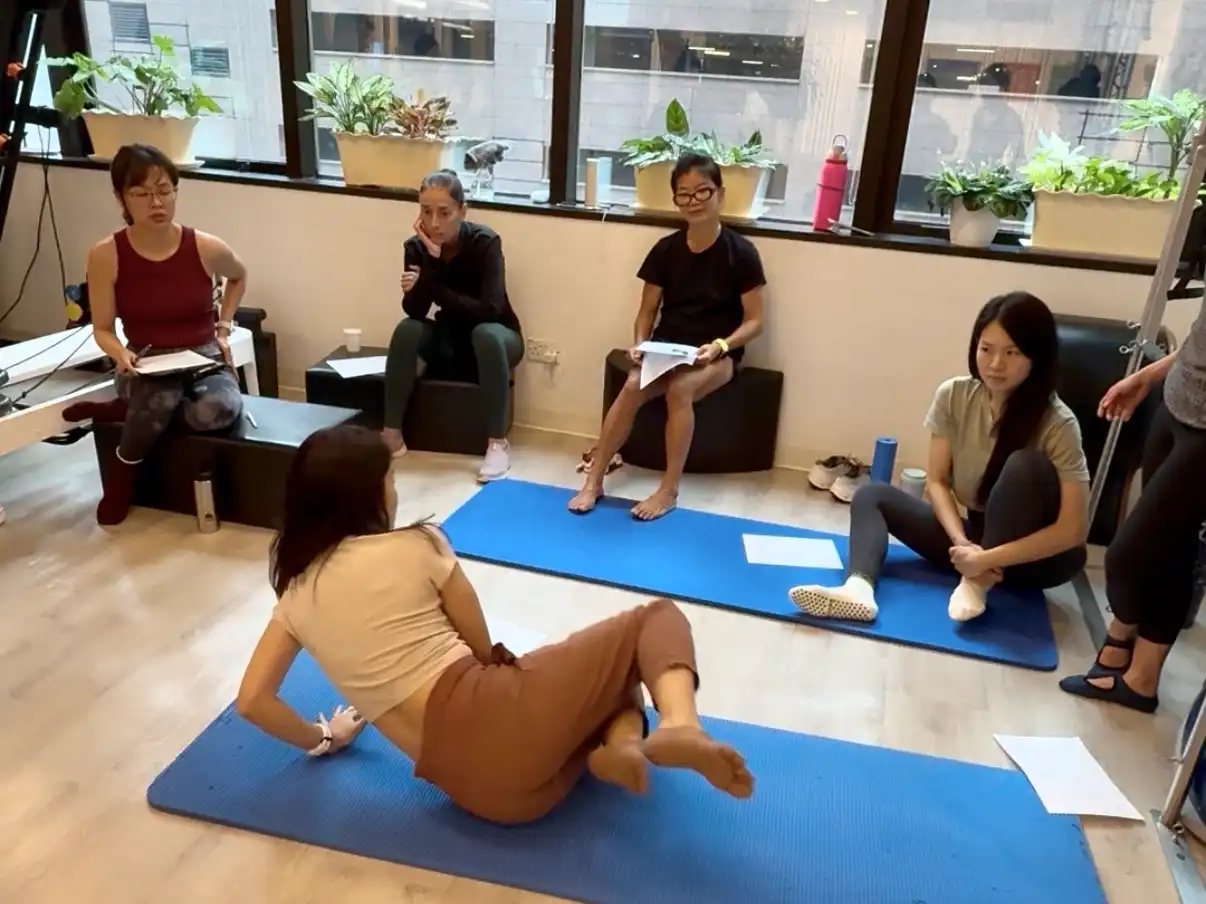
As a team, our physiotherapists and instructors regularly come together for in-service education sessions, where we share clinical insights, discuss challenging cases and explore new ways to better support our clients throughout every stage of life. Healthy ageing is a topic that frequently finds its way into these discussions because it touches so many of the people we work with every day.
In a recent staff sharing session, Senior Instructors Chami and Julie explored practical programming strategies for clients living with osteoporosis and osteopenia. The discussion included ways to safely build bone-loading capacity, improve posture and incorporate balance training to reduce fall risk. We also explored exercises that challenge reactive balance – the kind of control we rely on when we unexpectedly trip over a doorstep, catch a foot on a rug or even stumble over a pet weaving around our feet.
These may seem like small moments, but they are often the situations that determine whether someone continues living independently or loses confidence in their movement.
Ultimately, healthy ageing isn’t about adding years to life alone. It’s about preserving the strength, confidence and independence to continue doing the things that make those years meaningful. Whether that’s travelling, keeping up with grandchildren, enjoying a favourite hobby or simply moving through everyday life with confidence, these capabilities don’t happen by chance -they’re built through consistent movement, thoughtful guidance and a commitment to lifelong learning.
At Focus, that’s the future we’re working towards every day.
Check the timetable and book a class here